Remote Hiring for FQHCs, DSOs, and Private Practices
At a community health center, the front desk does far more than check-in. The person answering phones that never stop ringing is also confirming eligibility, working a payer mix more complex than most practices ever see, and running sliding fee scale calculations for patients who depend on them. When that seat turns over, it takes about 42 days and roughly $4,700 to fill again. Every missed call in the meantime is a patient who may not come back. On a tight budget that depends on federal funding, a shrinking panel hurts twice: once in revenue and once in the community you serve. And when the desk runs short, it's usually your clinical staff who step away from patients to cover it.
This episode gives health center leaders a practical way to take pressure off the front desk without replacing the people already there. You'll see which front desk tasks a dedicated remote professional can own and which are better kept in person — sliding fee scale calculations, referrals, and follow-up calls among them — plus what relief should look like in the first two weeks and what to ask any partner before federal reviewers ask you. Dr. Bob "Dee" Dokhanchi brings 34 years of running his own practice, with three Edge team members on his front desk today. Edge Enterprise Account Executive Toni Monique brings what she sees working alongside health centers every day. The goal isn't a new front desk. It's giving the one you have the backup it needs to stay.

Our speakers
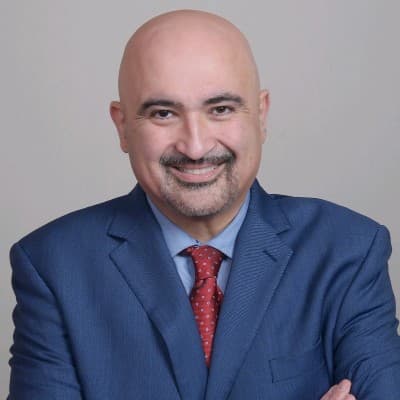
Dr. Bob "Dee" Dokhanchi
COO, Edge Dental Division
COO of Edge's dental division and has owned and operated his own dental practice for 34 years. He was a longtime Edge investor and Board of Advisors member before joining as COO, and he founded Dentistry in General, a national community for dentists. Three Edge team members support his own front desk today, giving him a practice owner's view of what to hand off, what to keep in person, and how to set expectations from day one.
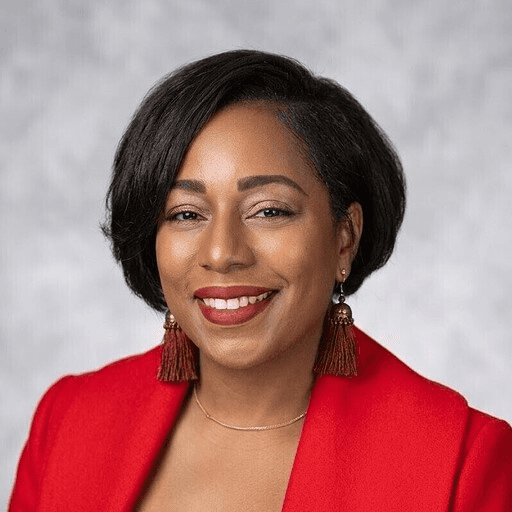
Toni Monique
Enterprise Account Executive, Edge
Enterprise Account Executive at Edge with more than 20 years of experience in sales and revenue leadership. She works with community health centers and health systems to pinpoint their administrative bottlenecks and build a success plan with measurable milestones, then matches them with Edge Talent trained for the specific work their front desk carries.
Highlights
- Why the FQHC front desk is harder to keep filled than most: sliding fee scales, a complex payer mix, and about $4,700 and 42 days lost every time the seat turns over
- How to keep clinical staff with patients instead of covering phones and check-in when the desk runs short
- Which front desk tasks a dedicated remote professional can take on, from sliding fee scale calculations to referrals and follow-up calls, and why copay collection should stay in person
- What relief looks like in practice: phones covered by the end of week two, then eligibility, scheduling, recall, and revenue cycle work added as trust builds
- What to compare before choosing a partner your center will answer for: HIPAA compliance, company-owned equipment, secure campuses, 24/7 IT monitoring, and a 97% retention rate